 DocumentFlow Desk

Match the template to the work being proposed
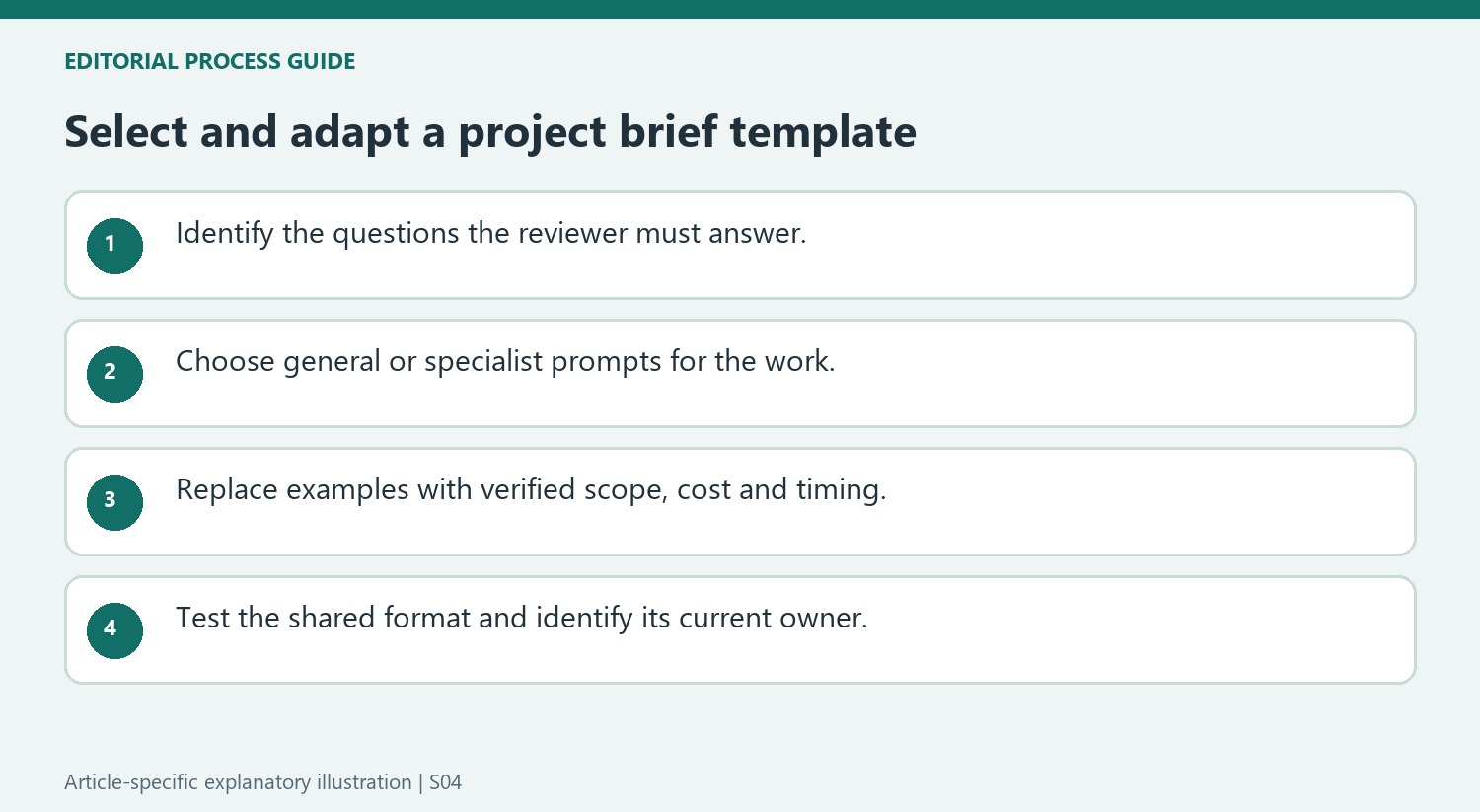
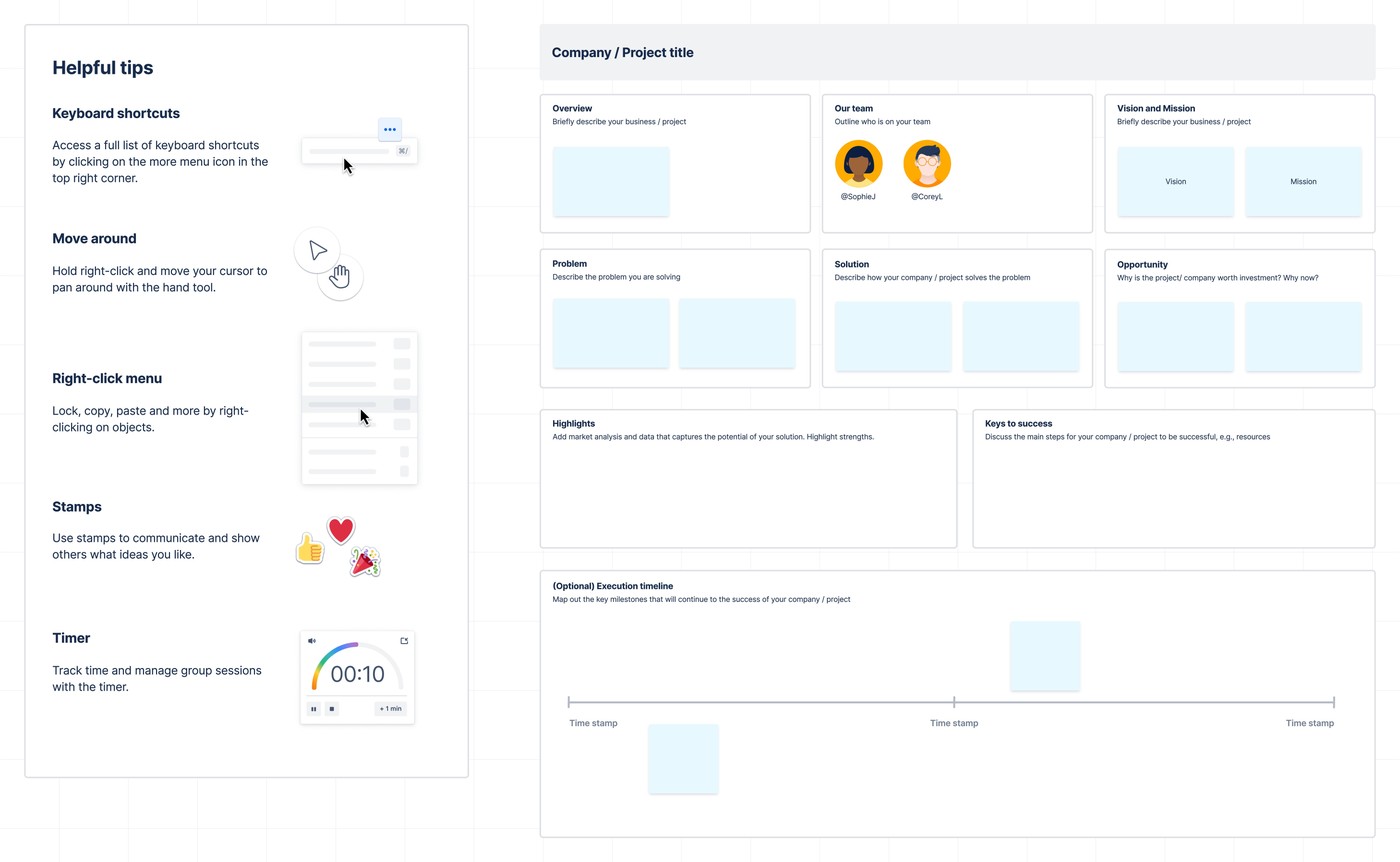
Smartsheet offers project brief formats for several types of work, including simple projects, graphic design, marketing, web design and proposals. Start by identifying the decisions that readers need to make. A simple brief may need the project name, purpose, goals, audience, team, budget and timeframe. A specialized design brief may require details about the main message, competitive setting and image requirements. Choosing a template because it looks attractive is less useful than choosing one that asks the questions the project actually needs to answer.
Use specialized prompts to make requirements concrete
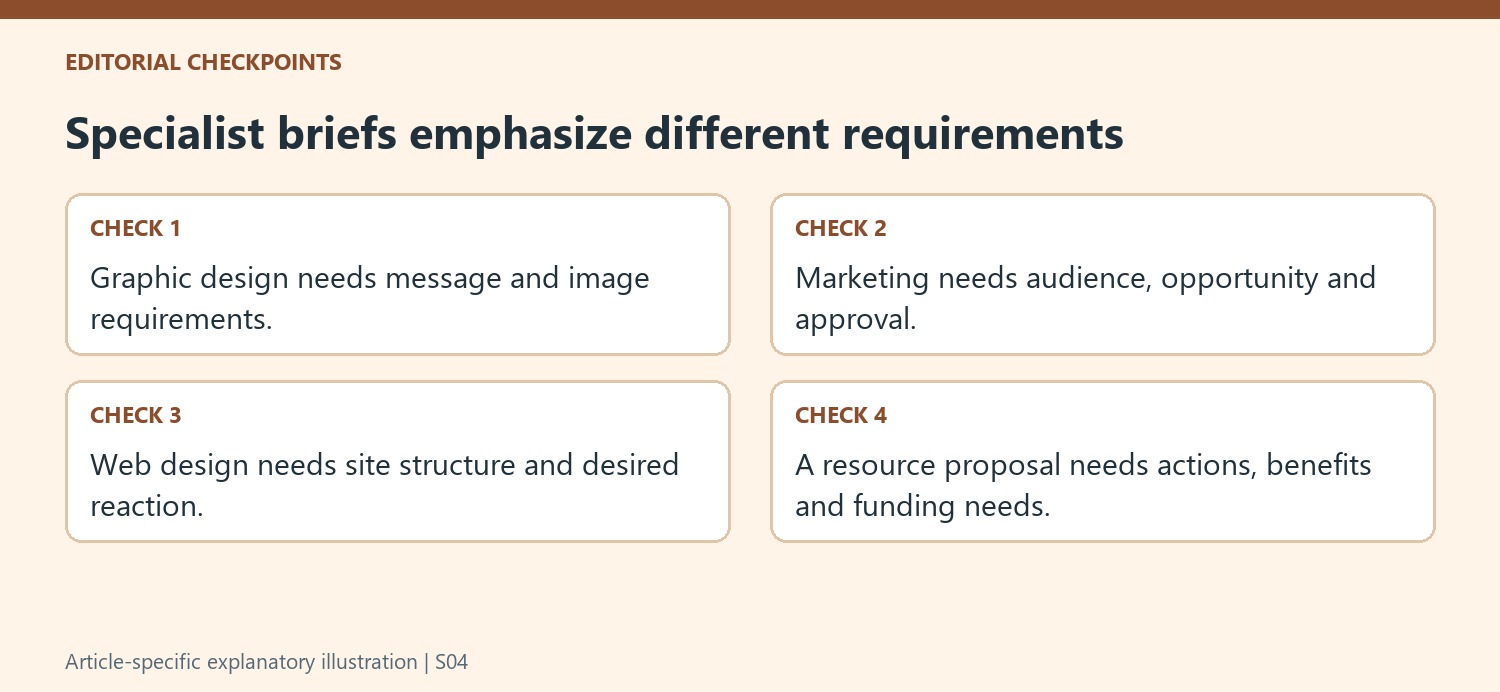
For marketing work, explain the opportunity, objective, intended audience and message, along with any approval requirements. A proposal brief can describe the intended outcomes, actions, benefits, schedule and required resources. A web design brief may need the desired audience reaction and the proposed site structure as well as references to competitors. These prompts help expose missing information, but they should not encourage invented answers. Mark unresolved requirements clearly and assign the relevant follow-up rather than filling every space with assumptions merely to complete the form.
Review the completed brief before sharing it
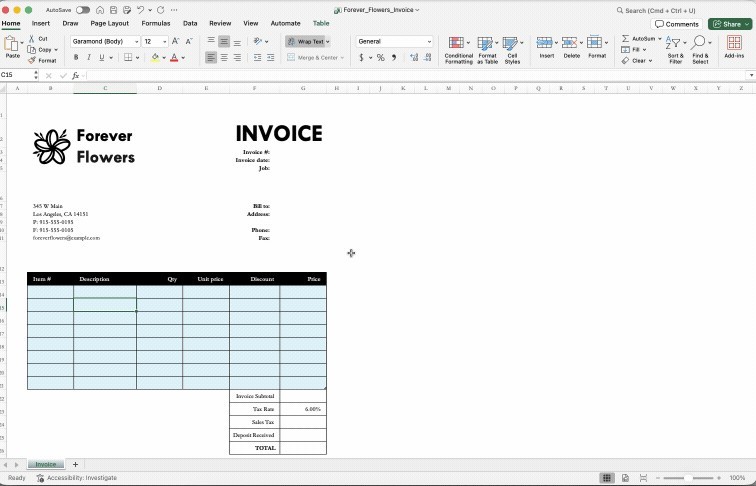
Available formats vary across the collection and may include Word, Excel, PDF, PowerPoint or Google Docs. Select a format the intended reviewers can use, and replace all example names and placeholder text. Remove prompts that do not apply without deleting information needed for a decision. Check that the budget, timing and deliverables agree with supporting material. A template provides a consistent container for the proposal; it does not itself establish approval or guarantee a successful project. Share the reviewed version with a clear purpose and an identifiable owner.
Compare template prompts before committing to a document
Begin by listing the questions the intended reviewer must answer. A general project proposal may need resource requirements and expected benefits, while a graphic design assignment needs the message, audience and image requirements. Compare those needs with the fields in the proposed template. Missing a decision-critical question is more consequential than having a slightly less polished arrangement of headings on the page.
The collection includes sample-filled and blank formats. Read a completed example as guidance on structure, then remove its fictional details. A plausible sample budget or date can survive an incomplete edit and appear authoritative to a new reviewer. Check headings, footers and comments as well as the main body when adapting a reusable document for an actual proposal.
Use specialist sections to expose practical requirements
A marketing brief can ask about purpose, opportunity, audience, attitude and message, while a graphic design brief can add competitive context and creative elements. Explain those items in relation to the proposed output. A web design brief may need site architecture and the desired audience reaction. A list of attractive adjectives alone does not explain which pages, features or information relationships the work is expected to provide.
For a proposal that seeks resources, identify the planned actions, timing and benefits alongside the required team or funding. Keep estimates visibly distinct from approved amounts. If a format includes a comments and approval section, record the actual review status rather than treating an empty signature line as authorization. The template can organize a decision, but the authorized people still need to make it.
Check usability in the format the reviewers will receive
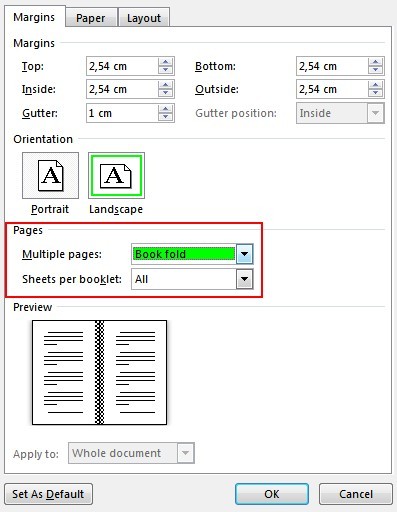
Choose a supported document type and test the version that will actually be shared. Long answers can change pagination, and a spreadsheet or presentation may need a different reading arrangement from a one-page Word document. Verify that essential information remains visible and that links lead to current supporting material. Assign an owner for revisions and retain an identifiable current version with an appropriate review date and clear ownership of the next requested decision. A reusable template is most effective when its structure helps people find accurate answers quickly, without making them mistake unconfirmed placeholders for settled project commitments.
References
- Free Project Brief Templates | Smartsheet. Smartsheet; Kate Eby.


Comments
0