 DocumentFlow Desk
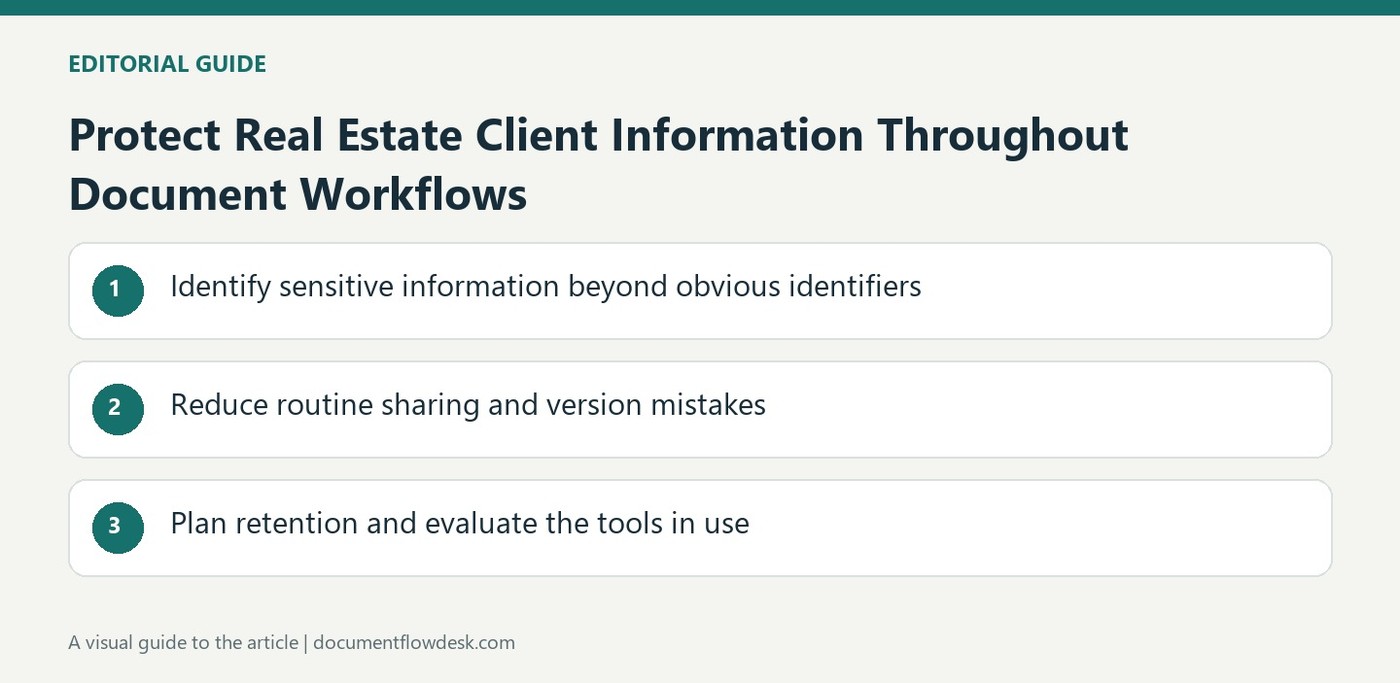
Identify sensitive information beyond obvious identifiers
Smallpdf's guidance explains that real estate confidentiality can extend beyond identification documents and bank details. A client's negotiating position, urgency, financial limits and contract terms may also cause harm if disclosed improperly. Treat the sensitivity of the information in context rather than relying only on its file type. The source discusses legal and professional duties, but the applicable rules vary by jurisdiction and role. Confirm the requirements relevant to the transaction instead of interpreting one general article as a complete statement of every local disclosure obligation.
Reduce routine sharing and version mistakes
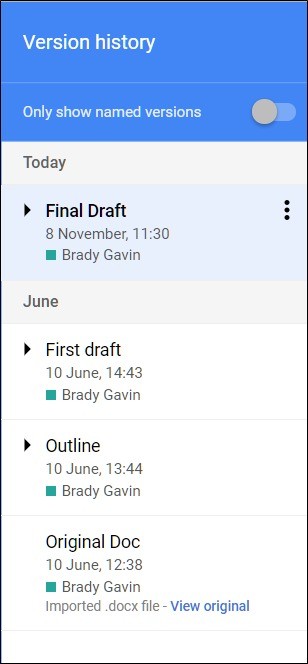
The article identifies everyday risks such as sending attachments to the wrong audience, sharing an outdated version or storing client material in personal accounts outside the intended workflow. Use approved locations, meaningful filenames and clear version control so the correct document reaches the correct people. Limit access to those who need the information, and inspect link permissions before distribution. Where appropriate, use document protection and remove unnecessary metadata from final files. These measures address specific handling risks; no single password or sharing control should be described as automatically establishing compliance for the whole transaction.
Plan retention and evaluate the tools in use
Set a retention process that reflects the applicable requirements and the continuing need for the records. The source notes that confidentiality duties may continue after closing, so a completed sale does not automatically make every client detail suitable for wider release. Evaluate signing and file-sharing tools for their actual access controls, audit information and handling practices. Review who can open the files and what happens after a link is sent. A sound workflow connects careful disclosure decisions with practical document controls, while ensuring that obligations and exceptions are assessed under the rules governing the specific client relationship.
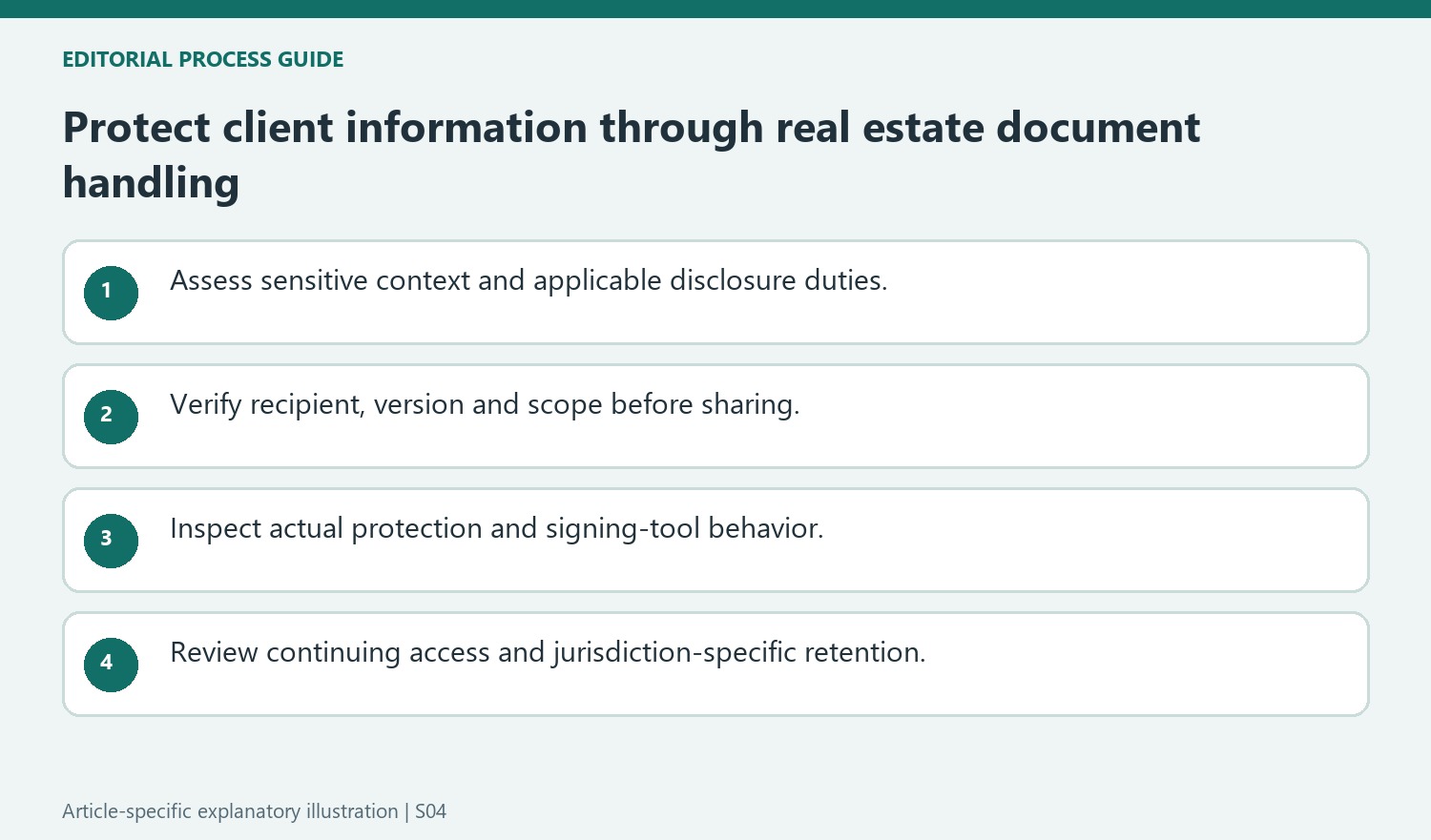
Assess disclosure risk in the context of the transaction
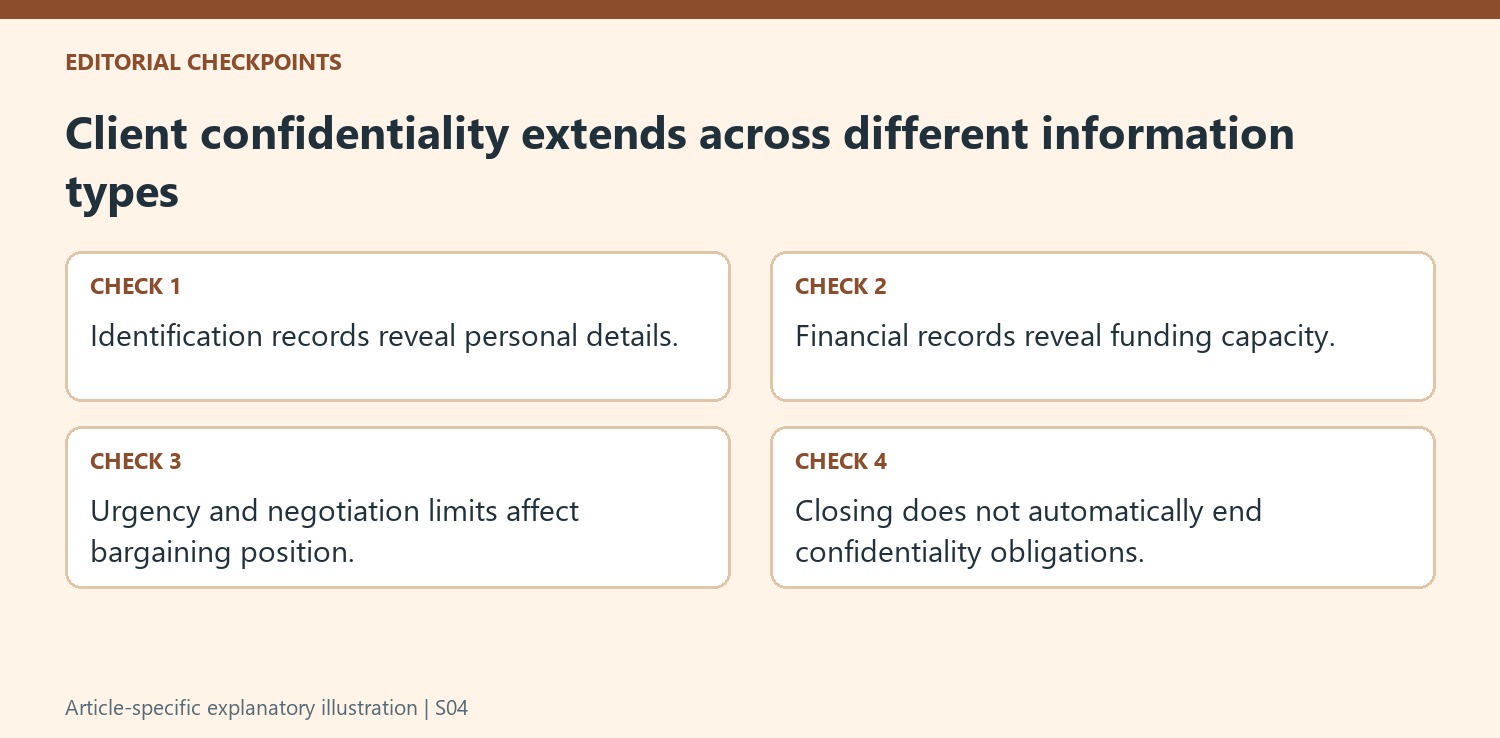
Confidential information can include bargaining limits, urgency or motivations as well as identification and financial records. Ask what a disclosure would reveal about the client's position, not only whether the file contains a familiar sensitive field. Inspection findings and contract terms may also require careful handling, subject to applicable duties and required disclosures in the relevant jurisdiction.
The source discusses legal and professional obligations in several locations. Use it as an introduction to the issues rather than a complete rulebook for a particular transaction. Confirm local requirements and appropriate authorization before deciding what another party should receive. Confidentiality and mandatory disclosure can interact, so a blanket instruction to withhold everything is no more useful than assuming every transaction participant should see the complete client file.
Reduce the ordinary document mistakes that cause exposure
Verify the recipient, file version and scope before sharing. Clear names and approved storage help distinguish the final contract from an older draft or a working note containing negotiation strategy. Check link permissions rather than assuming a link is safer simply because it is not an attachment. A broadly accessible URL can create its own exposure if the audience and role are not deliberate.
Where password protection or metadata removal is appropriate, verify what the chosen tool actually does and inspect the resulting file. A visible clean page can still contain information elsewhere in the document. Likewise, a password is one specific control, not a complete transaction confidentiality process. Keep the original and final versions organized so a corrected file is not confused with the version intended for distribution.
Evaluate continuing access, signatures and retention together
Review who still needs access after milestones or closing, and retain records according to the requirements governing the work. The end of a sale does not automatically make sensitive client details suitable for wider circulation. Assess signing and sharing services through their actual controls, audit information and handling practices rather than a general security claim. A signature appearance, an audit trail and a tamper-evident mechanism serve different purposes. A coherent workflow connects those tool capabilities with the client's authorized disclosures and the ongoing responsibility to maintain appropriate records.
References
- Confidentiality in Real Estate: How Realtors Can Protect Client Data & Maintain Trust | Smallpdf. Smallpdf; Stéphane Turquay.












Comments
0