 DocumentFlow Desk
Ask why the document is being created and who needs it
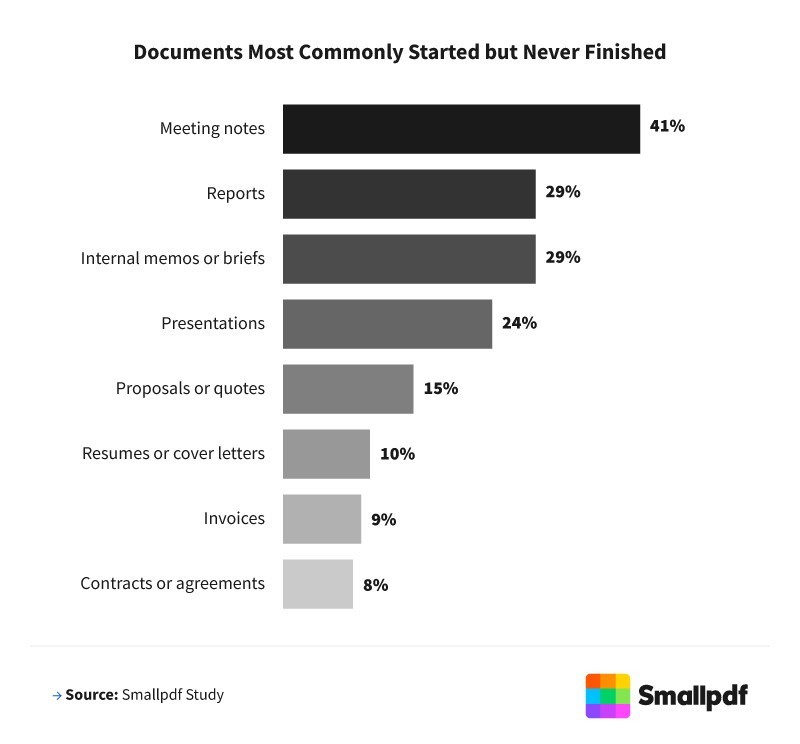
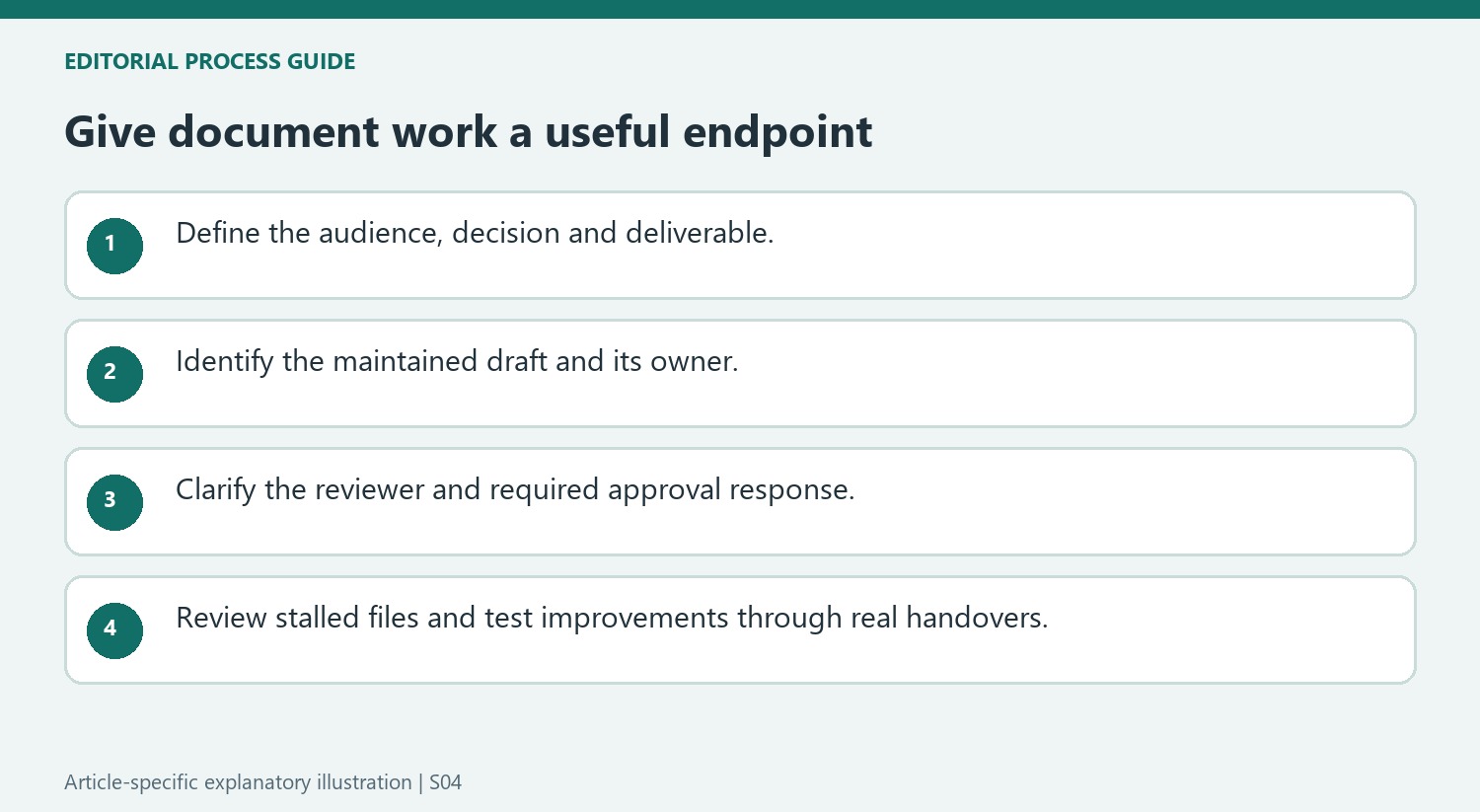
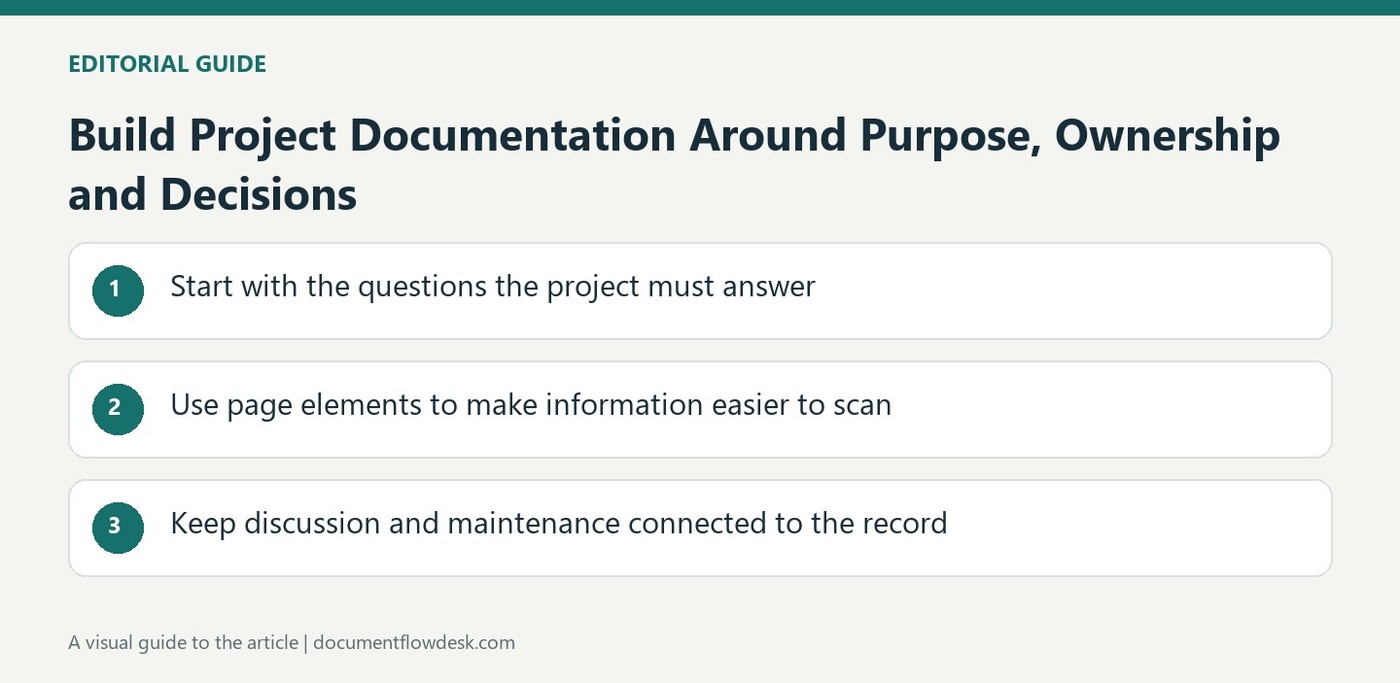
The source reports Smallpdf-commissioned research among U.S. professionals about documents that were never finished, shared or used again. Treat those responses as survey findings rather than a measure of every organization's waste. Before starting a substantial file, identify the audience, required decision and expected deliverable. Some drafts legitimately become unnecessary when priorities change, while others stall because the next step was never clear. Distinguishing those situations is more useful than assuming every unused file represents a preventable failure or that every document should be completed simply because work has begun.
Make the working location and approval path explicit
The article identifies missing versions, repeated work and waiting for approval as sources of friction. Agree on a shared home for the current file and give it a name that distinguishes it from older copies. Identify the person who must review or approve it and clarify what response is required. Keep status visible so contributors know whether a draft is actively being revised, awaiting a decision or no longer needed. A clear process can prevent another person from recreating the same material merely because the existing draft was difficult to locate or its ownership was uncertain.
Use templates selectively and review stalled work
The source recommends recurring templates to reduce unnecessary formatting work. Choose a structure that fits the task, removing irrelevant prompts instead of producing a longer document simply to fill every section. Review stalled files and decide whether to complete, repurpose or retire them. Product tools can address specific conversion or formatting needs, but they do not determine whether the document still serves a business purpose. Evaluate improvements through actual completion and handover experience rather than assuming the survey's estimated time losses become guaranteed savings. The useful objective is less avoidable rework and a clearer route from drafting to a meaningful decision or usable result.
Interpret the survey as a prompt for local investigation
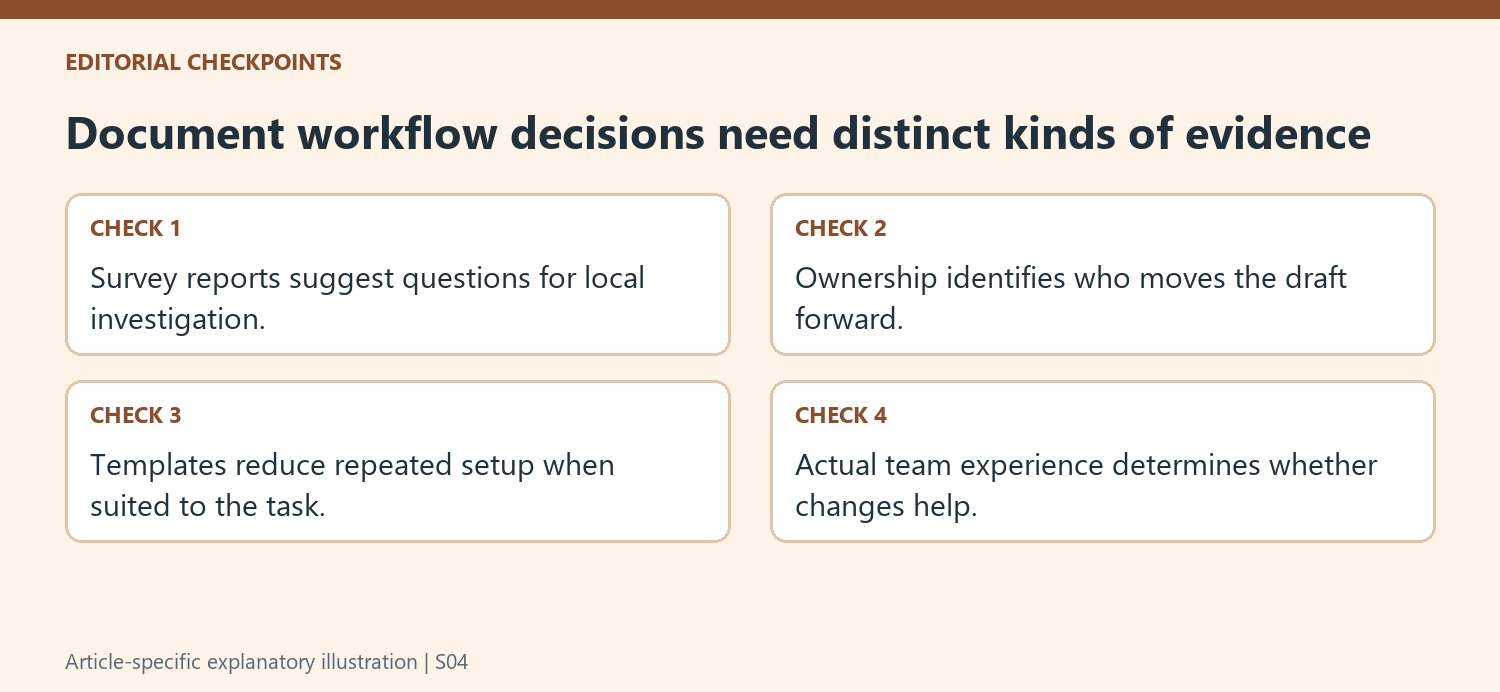
The source’s findings come from a Smallpdf-commissioned survey of U.S. professionals and reflect participants’ reported experience. They can suggest questions to ask about a team’s own workflow, but they do not establish the same abandonment rate or time loss in every organization. Keep the sample, sponsor and self-reported nature visible when discussing the numbers.
Distinguish a document that stalled through preventable confusion from one abandoned for a sound reason, such as a changed priority. Completing every started file would not necessarily improve productivity. Ask whether the intended audience and decision still exist, and whether the effort already spent can inform another task. This makes the review about useful work rather than simply maximizing the count of finished documents.
Make ownership and the next decision easy to see
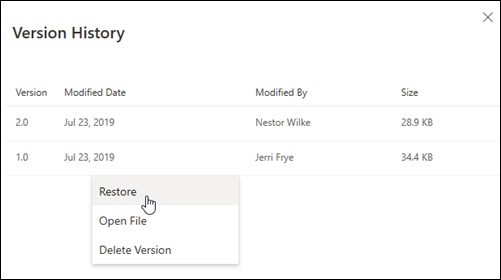
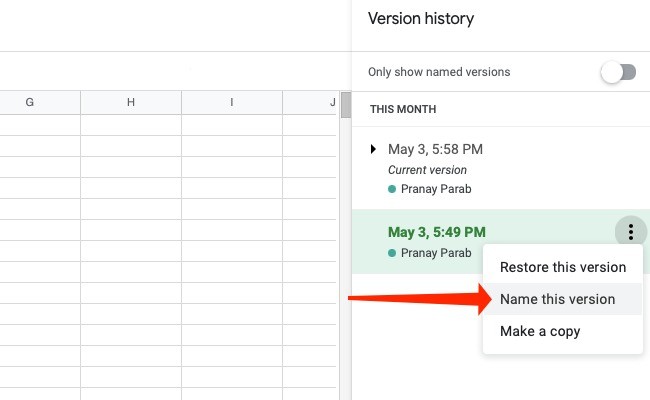
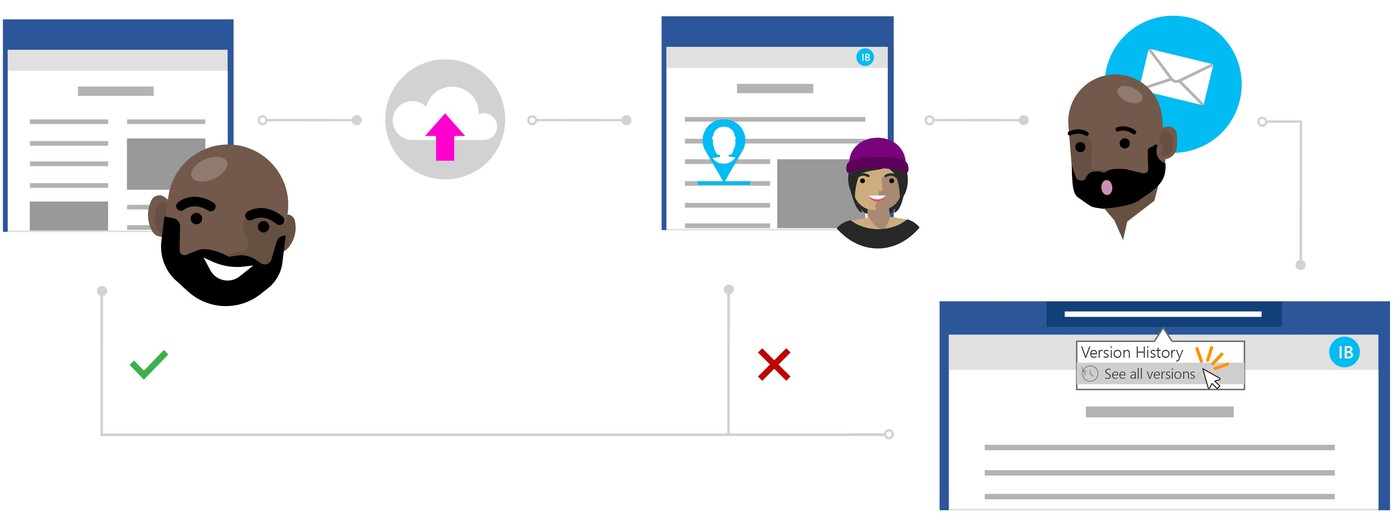
Agree where the maintained draft lives and who is responsible for moving it forward. The source links lost versions and repeated effort with workflow friction, so a clear working location can address a practical discovery problem. Explain the difference between the current draft, a review copy and an earlier reference version to reduce uncertainty when someone returns to the project.
When approval is required, identify the reviewer, the requested decision and a realistic review expectation. A document marked only as waiting can remain ambiguous to everyone involved. Clarifying whether the reviewer needs to check facts, approve wording or authorize release helps contributors understand the next step. Tools can support that exchange, but they cannot infer an organization’s decision authority from the file’s format.
Test improvements through real handovers
Use templates for recurring tasks when they remove repeated setup, and adapt or remove sections that do not fit the purpose. Then review whether completed material reaches its audience with fewer requests for missing versions or clarification. Measure the experience in the actual team instead of converting the survey’s estimates directly into promised savings. Periodically classify stalled drafts as active, reusable or ready for retirement. That combination of purpose, ownership and explicit decisions gives document work a clearer endpoint while acknowledging that some unfinished material no longer deserves further effort.
References
- Dead-End Documents: The Hidden Cost of Work That Never Gets Used. Smallpdf; Stéphane Turquay.




Comments
0