 DocumentFlow Desk
Identify the information a useful name should carry
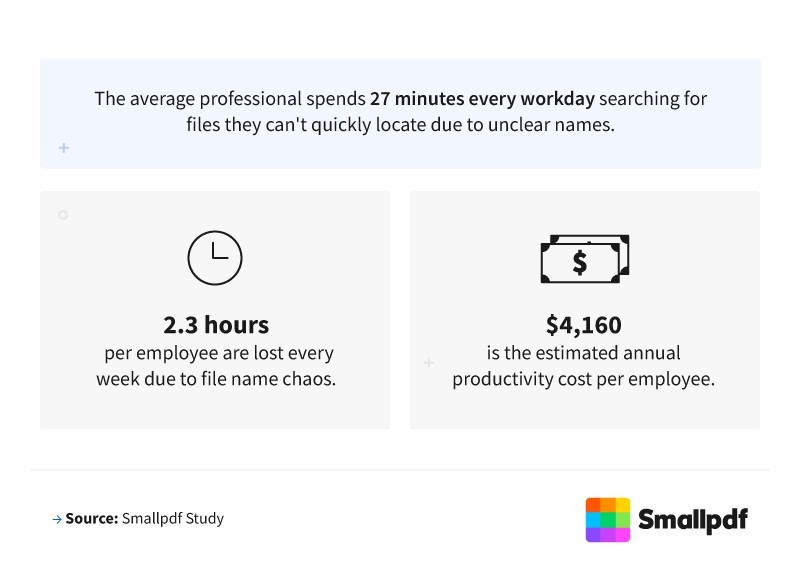
The source reports a Smallpdf-commissioned survey of working professionals about naming habits and file retrieval. Respondents described confusion from vague labels, unexplained number strings and copies left with generic copy names. Those responses reflect the surveyed group rather than a guaranteed outcome for every team. Use the underlying lesson to inspect the current folder: can someone identify the subject, period and relevant version without opening several files? A name should help distinguish the item from its neighbors, not merely satisfy the person who created it.
Choose a shared convention that preserves meaning
The article recommends descriptive names with dates and version information where useful. Agree on the order and meaning of those elements so contributors do not interpret them differently. A date might represent a reporting period or a publication date, so define the purpose rather than adding a date automatically. Rename copies deliberately and avoid using repeated final labels as a substitute for a clear status process. Keep filenames practical for the systems involved and retain enough subject information that a new colleague can understand the file without knowing its history.
Review folders and distinguish estimates from measured savings
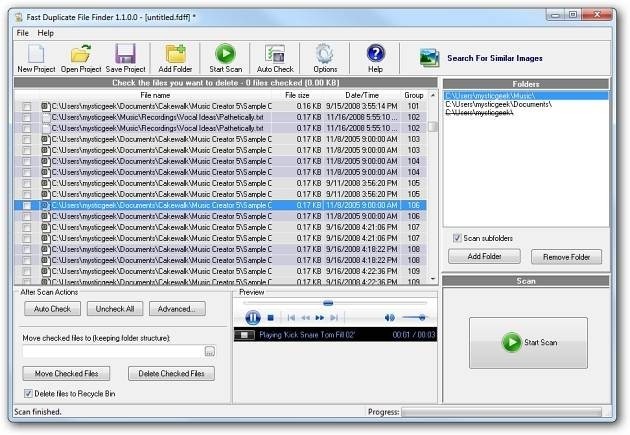
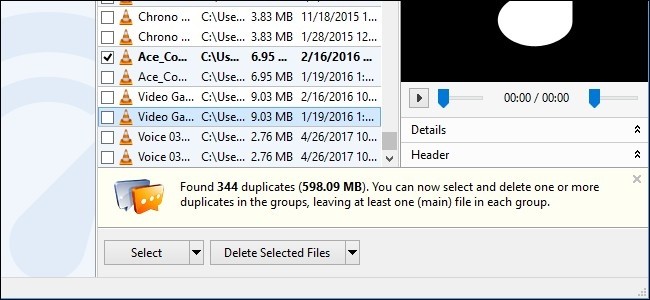
Regular cleanup can identify duplicates, obsolete material and inconsistent names before the next handover. Establish which file is authoritative before deleting apparent copies. The source includes time and cost estimates derived from survey responses and income calculations; those should not be interpreted as the exact savings a particular business will achieve by changing filenames. Evaluate the convention through actual retrieval and sharing tasks instead. A good naming process makes the right file easier to recognize and reduces ambiguity, while working alongside access controls, version history and clear ownership of the current deliverable.
Agree on what each part of the filename means
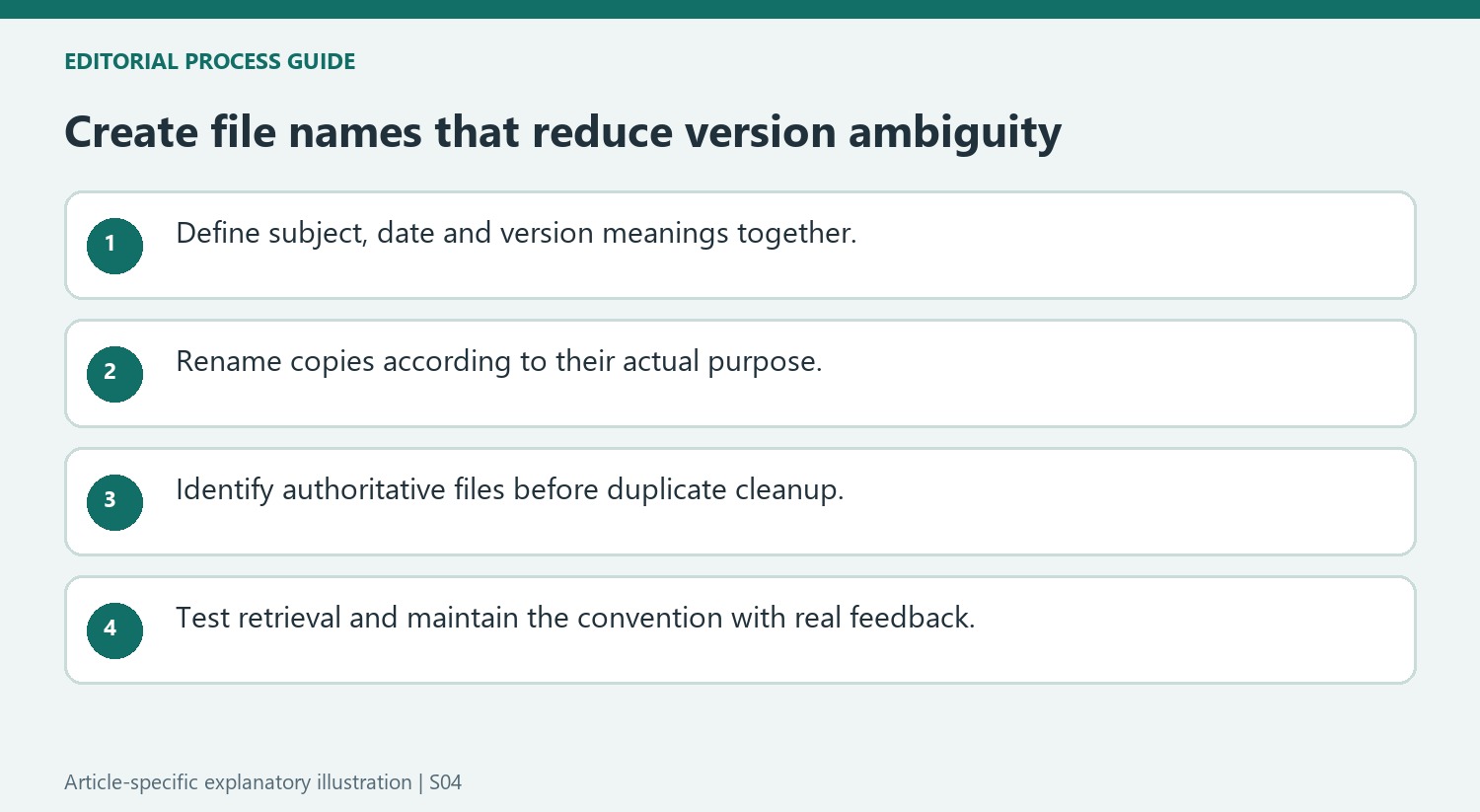
A useful convention can include subject, date and version information, but those elements need shared definitions. A date might describe the reporting period, meeting date or publication date. If contributors use the same position for different meanings, the visual consistency conceals rather than solves ambiguity. Choose the information required for the real retrieval and handover tasks, and document the convention briefly.
Keep names descriptive enough for someone outside the original conversation to recognize the contents. Generic labels, unexplained number strings and repeated final suffixes give little evidence about authority. When copying a document, rename it according to its actual purpose instead of leaving an accidental Copy of label. Preserve the file extension unless a separate intentional format task requires a change.
Establish the authoritative version before removing apparent duplicates
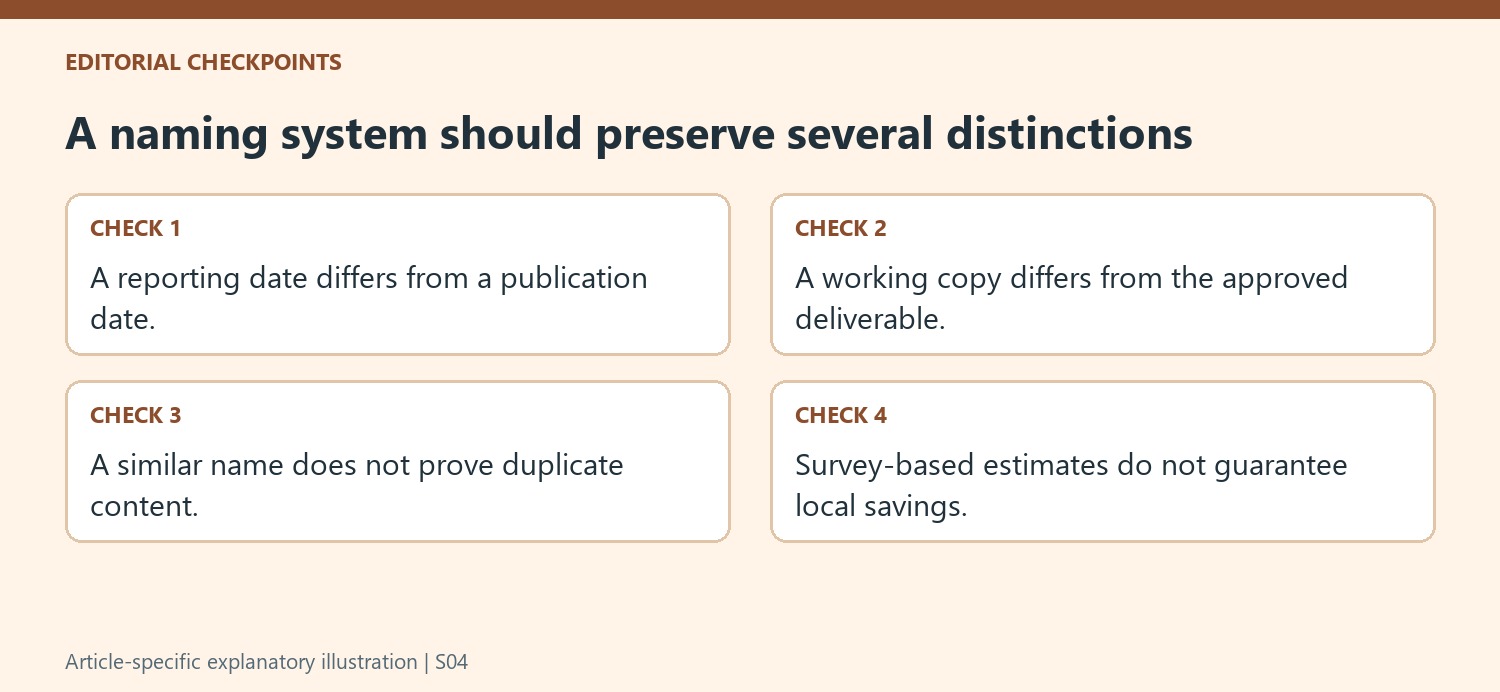
A tidy folder is not useful if its cleanup removes the current approved record. Inspect related files and determine which is authoritative before deleting items that merely look duplicated. A copy can contain a unique comment, correction or draft history despite a similar name. Keep version ownership clear so the naming convention works alongside the review process rather than trying to replace it.
Review the convention through actual tasks: can a colleague locate the correct period, distinguish the current deliverable and recognize a working draft? Use that evidence to adjust the pattern. The goal is not the longest or most technically elaborate filename; it is a practical description that remains understandable in the storage and sharing systems the team uses.
Interpret survey-based cost claims at the right level
The source reports survey responses and estimates built from time and income information. Those findings can motivate attention to naming, but they do not predict exact savings for a particular employer. Avoid presenting a calculated average as a verified local business result. Measure whether the team experiences fewer wrong-version handovers, repeated searches or duplicate efforts after adopting the convention. Maintain periodic folder reviews and explicit, clear ownership of the current document. Naming helps people recognize the right file, while access controls and version history address different parts of the broader document workflow.
References
- The Hidden Cost of Bad File Names. Smallpdf; Stéphane Turquay.




Comments
0